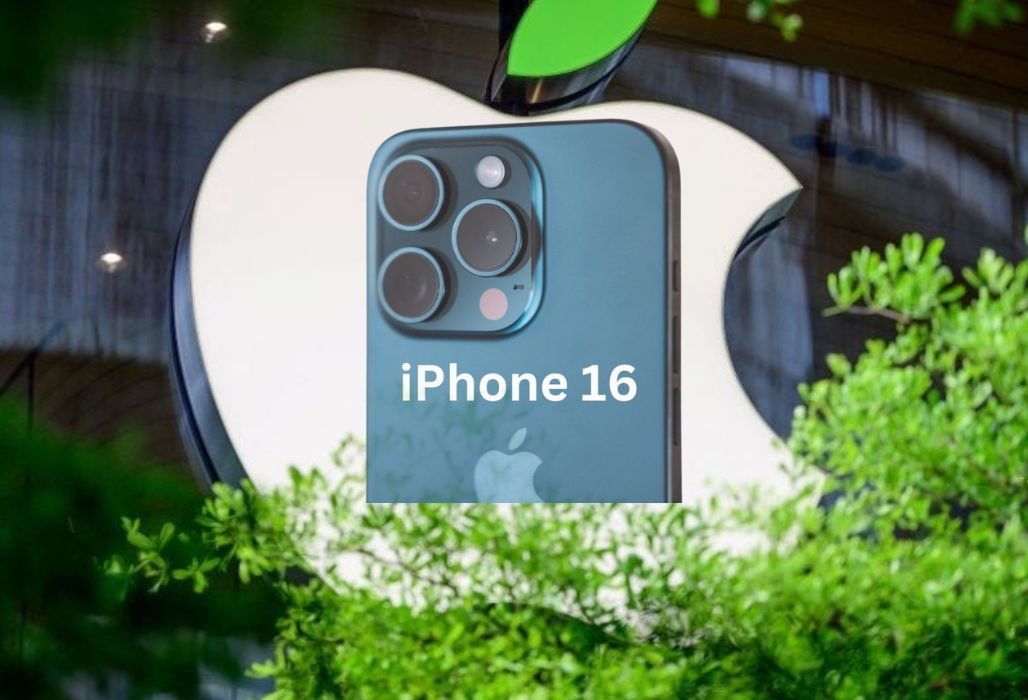
Apple Iphone 16 has long been a leader in environmental responsibility within the tech industry, and the iPhone 16 series is a testament to the company’s ongoing commitment to sustainability. With each new release, Apple continues to integrate eco-friendly practices into its design, manufacturing, and product lifecycle processes. The iPhone 16 is no exception, featuring several innovations that not only enhance the device’s performance but also reduce its environmental impact. In this article, we’ll explore how the iPhone 16 aligns with Apple’s sustainability goals and what it means for the future of tech.
1. Use of Recycled Materials: Reducing the Carbon Footprint
One of the most significant ways the iPhone 16 contributes to sustainability is through the use of recycled materials in its construction.
- Titanium Frame with Recycled Content: The iPhone 16 introduces a titanium frame, which is not only more durable and lightweight but also includes recycled content. This shift from aluminum to titanium reduces the device’s overall carbon footprint, as titanium is both abundant and recyclable.
- Recycled Rare Earth Elements: Apple has continued its practice of using recycled rare earth elements in components like the Taptic Engine and magnets used in MagSafe technology. This reduces the demand for newly mined materials, which are often sourced through environmentally damaging practices.
- Recycled Aluminum and Glass: The iPhone 16 also features recycled aluminum in its internal components and uses recycled glass in its display. These materials are sourced from post-consumer products, further lowering the environmental impact of the manufacturing process.
Why It’s Important: By integrating recycled materials into the iPhone 16, Apple not only reduces waste but also sets a precedent for other tech companies to follow, promoting a circular economy within the industry.
2. Energy Efficiency: Extending Battery Life and Reducing Power Consumption
Energy efficiency is a key focus of the iPhone 16, with advancements that benefit both the user and the environment.
- A18 Bionic Chip Efficiency: The A18 Bionic chip is not just more powerful—it’s also more energy-efficient. Built on a 3-nanometer process, the chip optimizes power usage, ensuring that the iPhone 16 delivers top-tier performance while consuming less energy. This extends battery life and reduces the frequency of charging, leading to lower overall energy consumption.
- Optimized Battery Performance: The iPhone 16’s battery is designed to retain its capacity for longer, reducing the need for early replacements. Apple’s adaptive charging technology learns from your charging habits and optimizes battery health, preventing overcharging and extending the battery’s lifespan.
- Energy-Efficient Displays: The iPhone 16 features a more energy-efficient ProMotion XDR display, which adjusts its refresh rate dynamically to conserve power. This means that when high refresh rates aren’t needed, the display automatically reduces its power consumption, contributing to longer battery life.
Why It’s Important: Energy efficiency in smartphones not only provides a better user experience but also reduces the environmental impact of the device over its lifetime by lowering energy consumption and extending the usability of components.
3. Sustainable Manufacturing Processes: Cleaner Production
Apple has made significant strides in reducing the environmental impact of its manufacturing processes, and the iPhone 16 benefits from these efforts.
- Carbon-Neutral Manufacturing: Apple is committed to making all of its products carbon-neutral by 2030, and the iPhone 16 is a key part of this plan. The company has invested in renewable energy for its manufacturing facilities, ensuring that the production of the iPhone 16 is powered by clean energy sources like wind and solar.
- Supplier Accountability: Apple holds its suppliers to strict environmental standards, requiring them to reduce greenhouse gas emissions, minimize water usage, and eliminate hazardous waste. This ensures that every part of the iPhone 16’s supply chain operates with sustainability in mind.
- Reduced Waste in Production: Apple has implemented advanced recycling techniques that allow for the recovery and reuse of materials from old devices. This reduces the need for new raw materials and minimizes waste generated during the production of new iPhones.
Why It’s Important: Sustainable manufacturing practices help reduce the overall environmental impact of producing new devices, making each iPhone 16 part of a larger effort to create a more sustainable tech industry.
4. Longevity and Software Support: Designed to Last
Apple’s approach to product longevity is another key aspect of its sustainability strategy, and the iPhone 16 is designed to remain functional and relevant for years to come.
- Long-Term Software Updates: One of Apple’s strengths is its commitment to providing long-term software support for its devices. The iPhone 16 will receive iOS updates for many years, ensuring that it remains secure, functional, and capable of running the latest apps. This reduces the need for frequent upgrades, allowing users to keep their devices longer.
- Durability and Repairability: The iPhone 16’s design includes more durable materials like the titanium frame and Ceramic Shield glass, which are less prone to damage. Additionally, Apple continues to improve the repairability of its devices, making it easier for users to replace components like the battery or display without needing to purchase a new phone.
- Trade-In and Recycling Programs: Apple’s trade-in program allows users to return their old devices in exchange for credit towards a new one. Returned devices are either refurbished for resale or recycled responsibly, ensuring that they don’t end up in landfills.
Why It’s Important: By designing products that last longer and can be easily updated and repaired, Apple reduces electronic waste and encourages consumers to make more sustainable choices.
5. Packaging and Shipping: Reducing Waste and Emissions
Apple has made significant changes to its packaging and shipping processes to further reduce the environmental impact of the iPhone 16.
- Smaller, Recyclable Packaging: The iPhone 16’s packaging is smaller and more compact than previous models, reducing the amount of material used. It’s also made from 100% recycled or responsibly sourced paper, and Apple has eliminated plastic wrap from the packaging, further reducing waste.
- Efficient Shipping: Smaller packaging means that more iPhones can be shipped in a single shipment, reducing the number of trips needed and lowering the carbon emissions associated with transportation. Apple also uses carbon-neutral shipping options where possible, further minimizing the environmental impact.
- Environmental Impact Labeling: Apple provides detailed information on the environmental impact of each iPhone model, including the carbon footprint, recycled material content, and energy efficiency. This transparency allows consumers to make more informed purchasing decisions.
Why It’s Important: Sustainable packaging and shipping practices help reduce the environmental impact of getting the iPhone 16 from the factory to the consumer, contributing to Apple’s overall sustainability goals.
Conclusion: A Sustainable Future with the iPhone 16
The iPhone 16 is more than just a powerful and stylish device—it’s a reflection of Apple’s ongoing commitment to sustainability. From the use of recycled materials and energy-efficient technology to sustainable manufacturing practices and long-term software support, the iPhone 16 is designed with the planet in mind. As consumers become increasingly aware of the environmental impact of their purchases, the iPhone 16 sets a new standard for what a sustainable smartphone can be.
By choosing the iPhone 16, users are not only getting one of the most advanced smartphones on the market but also supporting a more sustainable future. Apple’s efforts to reduce waste, lower emissions, and create long-lasting products demonstrate that innovation and environmental responsibility can go hand in hand.
FAQs
1. How does the iPhone 16 contribute to sustainability?
- The iPhone 16 contributes to sustainability through the use of recycled materials, energy-efficient components, carbon-neutral manufacturing, and long-term software support.
2. What recycled materials are used in the iPhone 16?
- The iPhone 16 uses recycled materials in its titanium frame, rare earth elements in the Taptic Engine, and recycled aluminum and glass in its components.
3. How does the iPhone 16’s energy efficiency impact its environmental footprint?
- The A18 Bionic chip’s energy efficiency reduces power consumption, extending battery life and lowering the environmental impact of the device over its lifespan.
4. What steps has Apple taken to make the iPhone 16’s manufacturing process more sustainable?
- Apple has invested in renewable energy for its manufacturing facilities, implemented advanced recycling techniques, and holds its suppliers to strict environmental standards.
5. How does Apple’s trade-in program contribute to sustainability?
- Apple’s trade-in program allows old devices to be refurbished or recycled, reducing electronic waste and encouraging more sustainable consumer behavior.