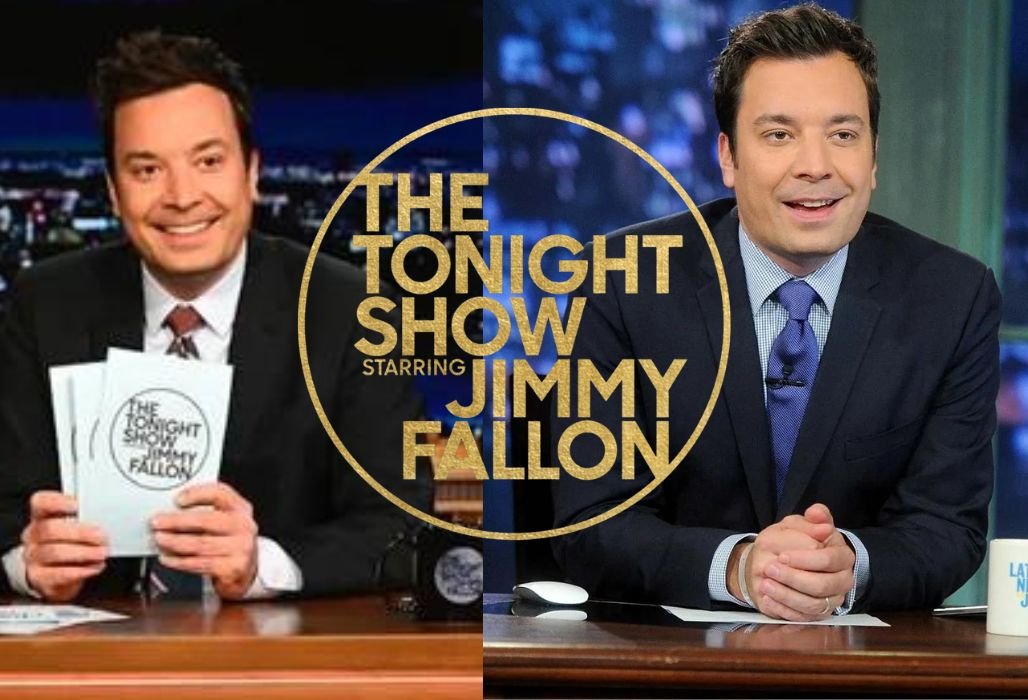
NBC Pulls Back ‘The Tonight Show with Jimmy Fallon’ to Four Nights a Week: What’s Behind the Move?
In a significant shift for late-night television, NBC has announced that “The Tonight Show Starring Jimmy Fallon” will now air only four nights a week, dropping its Friday night episode. This change, effective from September 2024, reflects the ongoing evolution of how audiences consume TV in an era dominated by streaming platforms and shifting viewer habits. Let’s explore why this decision was made, how it aligns with broader trends in late-night programming, and what this might mean for the future of TV.
Why the Shift? NBC’s Move to Four Nights a Week
The decision to scale back “The Tonight Show” from five to four nights per week can be attributed to a few key factors, primarily budget cuts and changing audience behavior.
1. Declining TV Revenues:
With the rise of streaming services like Netflix, Hulu, and Peacock, traditional broadcast TV ratings have been steadily declining, and late-night talk shows are no exception. Networks like NBC are seeing reduced advertising revenues from these shows, which were once late-night staples. Cutting down to four nights allows NBC to save on production costs while still maintaining a steady presence in the late-night space.
2. Streaming-Driven Consumption:
Today’s audiences are increasingly shifting away from linear TV schedules, opting to watch content on-demand. Whether it’s binge-watching a series or catching highlights from their favorite shows on social media the next day, traditional appointment viewing is declining. In response, NBC is adjusting its late-night strategy to align with modern viewing habits.
3. Industry-Wide Trend:
This move places “The Tonight Show” in line with other late-night programs that have already made the transition. Both “The Late Show with Stephen Colbert” on CBS and “Jimmy Kimmel Live!” on ABC have been airing four nights per week, showing that this is a broader trend rather than an isolated case. By reducing the show’s frequency, NBC is following the industry’s lead, recognizing that demand for five new episodes per week may no longer be viable.
The Evolution of Late-Night TV
Once a hallmark of American television, late-night shows like “The Tonight Show” were the go-to place for the latest celebrity interviews, comedic sketches, and cultural commentary. Over the years, however, the landscape of television has shifted dramatically. In the 1990s and early 2000s, hosts like Jay Leno and David Letterman drew massive nightly audiences. Today, those numbers are far smaller.
The rise of social media has also changed how people engage with late-night content. Instead of watching entire episodes, many viewers now watch highlights of celebrity interviews or viral sketches on platforms like YouTube, Instagram, and TikTok. This has changed the traditional ratings model and forced networks to rethink how late-night shows are produced and distributed.
Jimmy Fallon’s Role and Future
Despite the reduction in the show’s weekly airings, Jimmy Fallon remains a major figure in NBC’s late-night lineup. Fallon, who took over as the host of “The Tonight Show” in 2014, has successfully connected with younger audiences through his viral skits, musical performances, and celebrity interviews. The light-hearted tone he brought to the show marked a departure from the more political style of his late-night competitors, and this appeal has helped Fallon maintain a loyal following.
Earlier this year, Fallon signed a new deal with NBCUniversal that will keep him hosting the show until at least 2028, indicating NBC’s long-term commitment to the “Tonight Show” brand. Fallon’s ability to engage viewers through digital content—particularly on platforms like YouTube—ensures that the show will continue to thrive, even with fewer episodes each week.
What to Expect Moving Forward
While “The Tonight Show” is scaling back to four nights a week, the overall content landscape for the show may not change drastically. NBC is expected to air reruns or other programming in the vacated Friday night slot, maintaining some form of entertainment in that space. Viewers will still have access to fresh episodes from Monday to Thursday, ensuring that the show continues to be a key part of NBC’s late-night lineup.
NBC’s streaming platform, Peacock, may also play an increasingly important role in distributing “Tonight Show” content. As viewers move toward more on-demand consumption, clips and segments from the show may gain more prominence on digital platforms, helping NBC reach a broader audience beyond traditional TV viewership.
Conclusion: Late-Night TV in Transition
NBC’s decision to cut “The Tonight Show Starring Jimmy Fallon” to four nights a week is a reflection of the evolving television industry. As more viewers turn to streaming platforms, networks like NBC are being forced to adapt, balancing budget cuts with the need to maintain a strong late-night presence. While the move marks a shift in late-night tradition, it also opens the door for new strategies that cater to how modern audiences consume content.
Jimmy Fallon’s continued success and appeal to younger audiences—combined with the ability to produce viral digital content—ensures that “The Tonight Show” will remain a staple of NBC’s lineup, even with a reduced schedule.
FAQs
1. Why did NBC reduce “The Tonight Show” to four nights per week?
NBC reduced the show to four nights per week due to budget cuts and changing viewer habits, as more people turn to streaming services.
2. What nights will “The Tonight Show” air?
New episodes will air from Monday to Thursday, with reruns or other programming filling the Friday slot.
3. How does this compare to other late-night shows?
Both “The Late Show with Stephen Colbert” and “Jimmy Kimmel Live!” already operate on a four-night schedule, making this move consistent with the broader industry trend.
4. Will Jimmy Fallon continue hosting “The Tonight Show”?
Yes, Jimmy Fallon has signed a contract extension with NBCUniversal, ensuring he will host the show until 2028.
5. How can viewers watch “The Tonight Show” episodes?
In addition to the traditional NBC airings, episodes and clips will be available on Peacock and NBC’s digital platforms.